First Person Boxing Stamina and Practice
Use the stamina display, GASSED feedback and AI practice to replace frantic attacks with a repeatable training plan for player fights.
Use AI practice to shorten the exchange, notice the stamina display before GASSED appears, and choose consciously between continuing and resetting. Compare one change at a time; the developer confirms that getting tired slows you down.
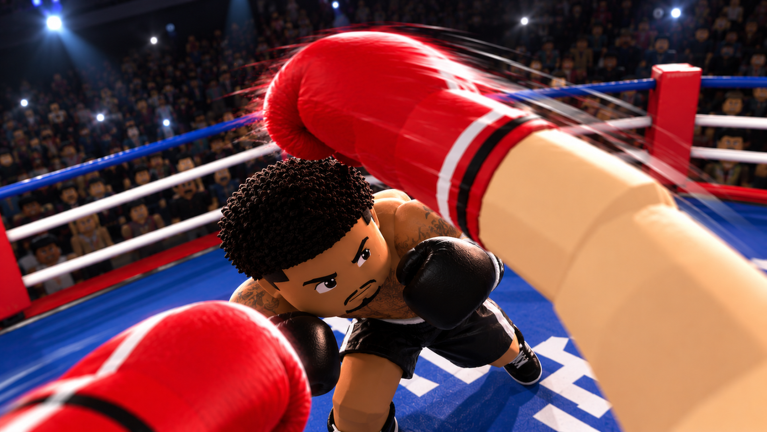
View reference image
On this page
First Person Boxing makes stamina a combat decision. The developer’s official listing explicitly says that getting tired slows you down and offers AI practice alongside player fights. That gives you a useful training goal: finish an exchange with enough control to defend and reset, rather than spending the entire resource on the opening attack.
The routine below is original practice advice. Its interface references come from ItzVexo’s recorded guide, published on 17 October and reviewed on 18 October 2026. The footage shows a stamina display and a GASSED warning during later exchanges. We have not measured exact recovery speed, per-action costs, or a mathematical threshold for an optimal attack sequence.
Learn what exhaustion looks like
Find the stamina display before beginning a bout. In the recorded interface it sits near the bottom centre, while the player’s and opponent’s fight information is shown higher on screen. Make sure you can glance at the resource without completely losing sight of the opponent.
Watch the display during one short attack, then stop and read the next state. You are looking for a connection between the action you performed and the resource you can see. Do not begin by trying to calculate costs from a compressed video; animation, overlapping inputs and recording quality make that unreliable.
Later in the footage, the interface displays GASSED during a crowded exchange. The developer’s warning about tiredness supplies the general rule; the recording gives you a label to recognize. It does not prove that every situation with that label has identical movement or attack behaviour.
If you repeatedly notice exhaustion only after your response becomes slow, make the next practice block about earlier recognition. A resource you can read before a problem occurs is more useful than a warning you see after committing to the same long sequence again.
Run a short baseline exchange
Use the AI practice option confirmed by the developer. Choose a simple approach and keep your current available style. Close the distance, perform a short attack, and return to observation. The question is whether you can stop the sequence deliberately.
After each attempt, check three things. Did the attack reach? Did you continue pressing after the exchange had changed? Could you still carry out the next intended defensive action? These questions connect stamina to an actual decision rather than treating the bar as a score to keep full at all times.
Do not force a fixed punch count when the situation is different. “Short” means a sequence you can stop and understand, not a claim that a particular number of attacks is always safe. Range, the opponent’s response and your current resource state can change what makes sense.
Repeat the same opening for a small practice block. If you change style, sensitivity, movement and attack choice every time, a better result will not tell you what helped. The beginner guide explains how to establish that readable opening before adding more demanding goals.
Replace panic inputs with a reset decision
A useful reset begins when you recognize that the exchange is becoming difficult to read. Stop adding attacks, use the movement and defensive options shown by the current interface, and work toward a position where you can see the reply. This is a tactical recommendation, not a guarantee that retreat always succeeds.
Pay attention to why you continued attacking. You may have been chasing a missed punch, reacting to damage, or trying to finish an opponent before they could respond. Naming the trigger helps you notice it earlier in the next attempt.
For example, if your first attack misses, adding several more from the same distance is unlikely to teach you much about stamina. First correct the distance. If you land a clean hit but keep attacking until the display is low, the learning target is stopping after useful contact.
A reset is not the same as refusing every opportunity. Once you can deliberately stop, you can make a clearer choice about when to continue. The objective is to spend stamina on a readable opportunity and retain a plan for what happens afterward.
Add defense without losing the resource check
Once the baseline is controlled, add a defensive read. The official description confirms guards for head and body, slips, and counters. Pick one of those to practice rather than combining all of them immediately.
Let the opponent begin an attack, attempt the intended defense, and check whether you can still recognize the next action. If you avoid a punch and see a counter opportunity, choose a short response. The reviewed video includes SLIPPED! and COUNTER NOW! feedback, which can help you match the idea to the interface.
Do not convert those cues into a requirement to swing every time. You still need useful range and enough control to act. A possible opening followed by an exhausted, missed attack is a reason to review the decision, not to repeat it more quickly.
Use the guards and counters guide if the defensive read is the part that fails. Resource management and defense support each other, but they are different skills. You cannot fix a misread head or body attack solely by saving more stamina.
Keep a small practice record
A practice record should explain one decision, not reproduce a scoreboard. Write down the goal, the trigger that caused trouble and the correction you will try. “I chased a miss and saw GASSED before the reply” gives you an actionable next attempt.
You can compare two short blocks. In the first, use your normal opening. In the next, deliberately stop at the moment you previously kept attacking. Compare whether you can read and answer the opponent’s response. That is a practical comparison, not a controlled balance test or evidence of a universal stamina rule.
If the comparison is unclear, simplify it further. Keep the same opponent type and available setup, and focus on the moment you end the attack. A different style, a different camera setting and a new defensive sequence all at once will make the result harder to interpret.
Do not turn every bout into note-taking. One clear line after a practice block is enough to preserve the lesson. The record exists to make the next session more focused, not to distract you during the exchange.
Test the habit in a player bout
Carry one rule into your next player fight: after the opening, make a conscious decision to continue or reset. Human opponents can vary their rhythm, so expect the same opening to lead to different situations. Watch the reply rather than completing the sequence from memory.
If you become exhausted again, trace the exchange backward. Was the initial attack useful? Did you chase movement? Did you ignore the display because you were close to a knockout? The answer determines the correction. A slower response alone does not prove a connection, device or style problem when the developer also documents fatigue.
After the bout, return to AI practice only for the part that needs repetition. You do not need to restart the entire learning route after each loss. Preserve the skill that worked and isolate the next problem.
Finish when your exchanges are becoming less readable through fatigue or frustration. The aim is a repeatable habit: see the resource, spend it deliberately, and retain a response. That habit will give the next defensive lesson a stronger foundation than an unexplained practice win.
Step-by-step guide
- Observe the resource before exhaustion
Use a simple AI exchange to connect the stamina display to your actions without inventing per-action costs.
- Stop the continuation you can identify
Choose the moment to reset after useful contact or a miss instead of repeatedly chasing the exchange.
- Compare one practice change
Carry one stopping rule into a player bout and return to practice for the specific part that still fails.
Quick reference
Your next decision
A quick route through this guide; see the body for sources and exceptions.
| Step | What to do |
|---|---|
| Observe the resource before exhaustion | Use a simple AI exchange to connect the stamina display to your actions without inventing per-action costs. |
| Stop the continuation you can identify | Choose the moment to reset after useful contact or a miss instead of repeatedly chasing the exchange. |
| Compare one practice change | Carry one stopping rule into a player bout and return to practice for the specific part that still fails. |
Video evidence
Watch creator walkthroughs alongside this guide. Check the recording date before following requirements that may have changed.
First Person Boxing Guide! (Codes, Best Styles, Tips & Tricks, Controls) ROBLOX
Dated creator footage supports the first-person interface and combat feedback. Creator rankings and purchase suggestions are not treated as developer rules.
FAQ
Which version does this guide describe?
The official listing and dated creator footage were checked on 18 October 2026. No public build number was available. Follow your current in-game prompts when an update changes the interface.
Are the recommendations based on a personal playtest?
The facts come from the linked developer description and named creator footage. The route and practice suggestions are original editorial advice; no personal live playtest or paid purchase is claimed.
Sources
Recheck these links whenever the game version, release status, or strategy changes.
- First Person Boxing — official Roblox listing Developer description and exact game identity checked 18 October 2026.
- ItzVexo — First Person Boxing Guide! (Codes, Best Styles, Tips & Tricks, Controls) ROBLOX Published 2026-10-17. Creator footage, distinct from developer documentation.
- CHALLS — First Person Boxing GUIDE! (How To COMBO, Best Styles, Tips & Tricks) ROBLOX Published 2026-10-17. Creator footage, distinct from developer documentation.